
News
Terrae Gran Canaria proposes creativity and commitment as key to revitalizing rural areas through gastronomy
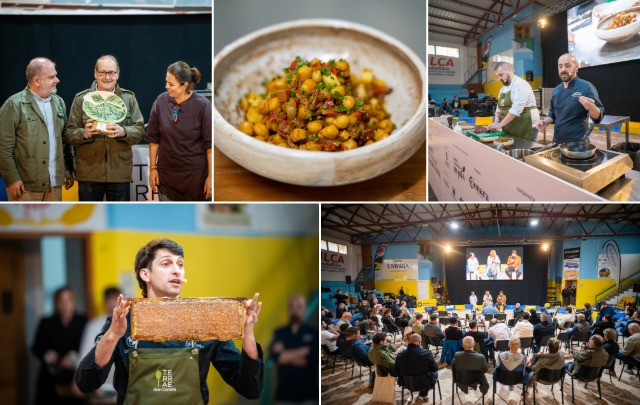
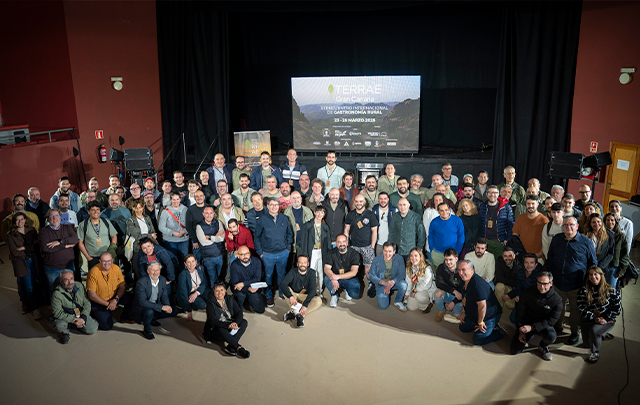
The 4th International Conference on Rural Gastronomy brings together more than 50 rural chefs from Spain, Italy, Portugal, and Andorra in Gran Canaria
Terrae Gran Canaria has become a breeding ground for ideas aimed at revitalizing rural areas through gastronomy. This year, the conference—which focuses on village and country cuisine—is bringing together more than fifty renowned chefs based in small towns in the lush landscape of the island’s northeast, around municipalities such as Santa Brígida and Valsequillo. This fourth edition kicked off with the presentation of the Terrae Award to chef Hilario Arbelaitz, a pioneer of rural haute cuisine at the family-run restaurant Zuberoa, which closed its doors after maintaining three Michelin stars for years. He explained that, in his case, being a rural chef has made him feel like a link in a chain where “the foundation of it all is the legacy of our mothers, but we also leave a legacy for those who come after us.”
Benjamín Lana, director of the conference and head of Vocento Gastronomía, asked him for some advice for young chefs who choose to stay in their hometown or move to a small town to start out. “First comes passion, and then effort and sacrifice. We rural chefs do important work, because we represent the diversity of cuisines and pantries, which is a country’s wealth.” He also advised “maintaining a balance in the business that allows both locals and outsiders to come and feel at home.”
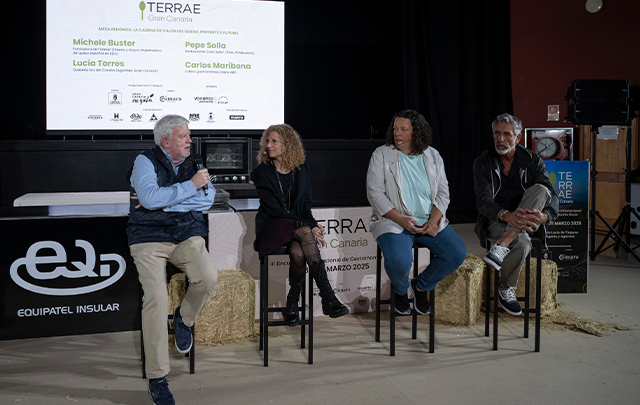
Indeed, the unique situation of local restaurants was the topic of one of the roundtable discussions, which explored how to manage earning a Michelin star while ensuring survival in a small town. The discussion brought together Paco Pérez (Miramar**, Llançà), Juan Carlos García (Vandelvira, Baeza), Bruno Jordán (Ansils*, Benasque), and Xune Andrade (Monte*, San Feliz). The moderator, Carlos Maribona, food critic for ABC, asked about the difficulty of keeping a business going in a remote location where the local population may not patronize it. “We interact with the town, and the town feels proud and involved. With 40 employees, we are the largest employer in the municipality. “I think it’s just as hard to make it in a city as it is in a town: in the city, people are just passing through, but there’s more competition. Where we are, people come looking for us, and we’ve helped bring people to the town—that’s very important,” he said. His colleagues, all young people who have chosen to work in their respective towns, emphasized the need to welcome both residents and visitors. “We have days when out-of-town customers predominate, but we also do things for the locals, and we often have more people on weekdays than on Saturdays,” said Bruno Jordán.
Juan Carlos García commented that the proximity of the restaurant to the village means that “many people have their first experience in a restaurant of this type with us, and our mission is to win them over and make them want to come back.”
At times, restaurants and tourism projects can serve as the driving force behind the revival of agricultural and livestock activity in nearly abandoned areas. Success stories such as the Cantabrian cheese shop Quesoba and the Alto Tâmega Tavern Network, spearheaded by chef Vitor Adâo (Plano*, Lisbon), detailed their development and their impact on the region. Chef Vitor Adâo explained that the project to revive rural taverns in the Portuguese region of Tras os Montes promotes local production and the preservation of traditional cuisine through a series of small taverns set up in homes.
“It was initially difficult to get the project off the ground. Some taverns are run by producers of wine, cheese, or meat, or by farmers who host guests in their own homes. But recently, young chefs with careers in the Michelin-starred world have also been arriving, choosing this lifestyle, and the villages are noticing this revitalization of the economy and population,” he said.
In the case of Quesoba, Chema Alonso’s project, it all began with a tourist hostel in a heavily depopulated area of Cantabria with a strong livestock-farming tradition. Tourists’ demand for local cheeses led the entrepreneur to set up a cheese factory that sells its products directly and has generated much greater production (pork, nuts, fruit) to meet the demand from visitors and consumer groups.
Another original and unique project was presented by Mara Zamora, executive director of Rewilding Spain, an NGO dedicated to reintroducing wild herbivores (horses, bison, and other bovids) into forested areas with a livestock-farming tradition that are now abandoned. This initiative, in addition to attracting tourism to the municipalities, helps clear vegetation and prevent forest fires. “Rewilding transforms territories into a strategic asset, fostering pride and a sense of identity among people regarding the land where they live. The soul of rural areas lies in nature and local flavors, and livestock farming and agriculture must be compatible with wildlife,” explained Zamora.
The importance of honey in cooking and in nature—and, of course, Gran Canarian cuisine and products, both traditional (cheese, tropical fruits, goat, potatoes, or pork) and those of more recent cultivation, such as the organic and hydroponic strawberries from the La Palma farm, were also central to an event that Benjamín Lana described as “vital for the exchange of ideas among a group of chefs for whom work is much more than just a job; it is a commitment and a way of life, and it contributes to the preservation of villages and rural areas.” The event was opened by Minerva Alonso, Councilor for Economic Development of the Cabildo of Gran Canaria, who highlighted the island’s commitment to the circular economy and ecotourism.
Related news
News
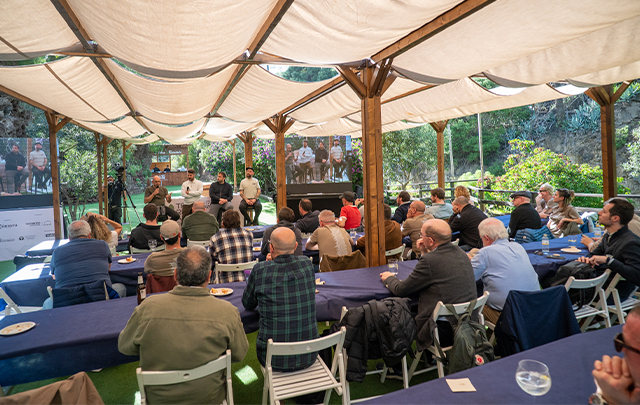
At Terrae, rural chefs are calling for a voice of their own and greater institutional support to sustain the region
The movement that emerged around the 4th International Rural Cuisine Conference reinforced its call in Gran Canaria for unity, the protection of small-scale producers, and the streamlining of bureaucracy
News
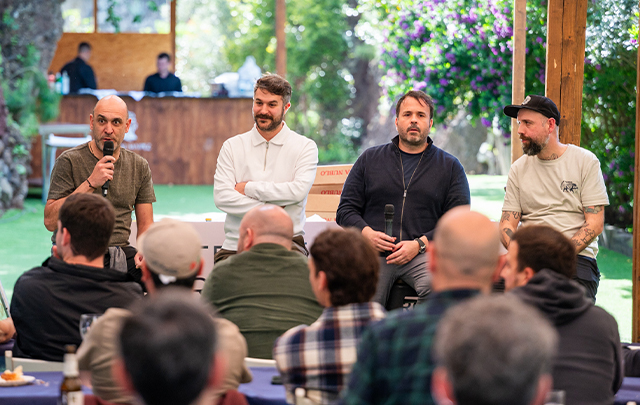
At Terrae, rural chefs are proposing partnerships with producers and colleagues from neighboring countries to raise their profile
The 4th Terrae Gran Canaria International Rural Cuisine Festival concludes with the aim of fostering a movement for rural gastronomy
News
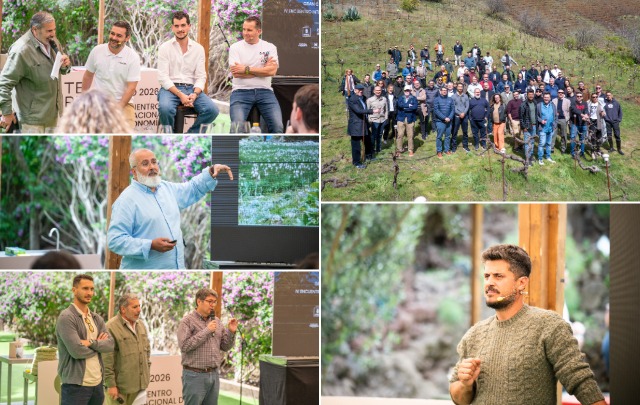
Savoring the Landscape: Wild Plants, Vineyards, and Pork Take Center Stage on the Second Day of Terrae Gran Canaria
The 4th International Rural Gastronomy Festival heads up to the island’s highest vineyard and winds its way back down while teaching participants how to use archaeophytes in cooking
News
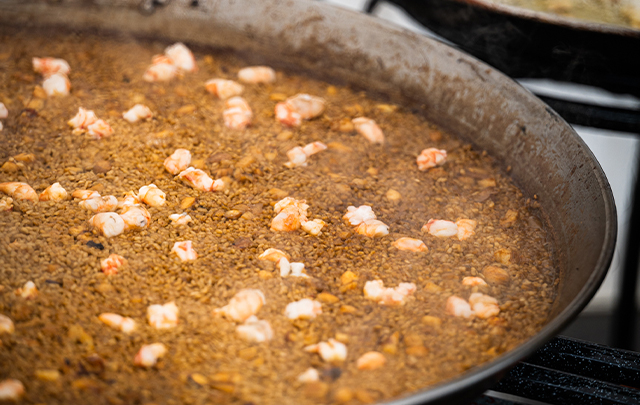
The popular food festival in Santa Brígida was a huge success
The public event ran out of its more than 6.000 samples and drew a large crowd to Villa de Santa Brígida Municipal Park
News
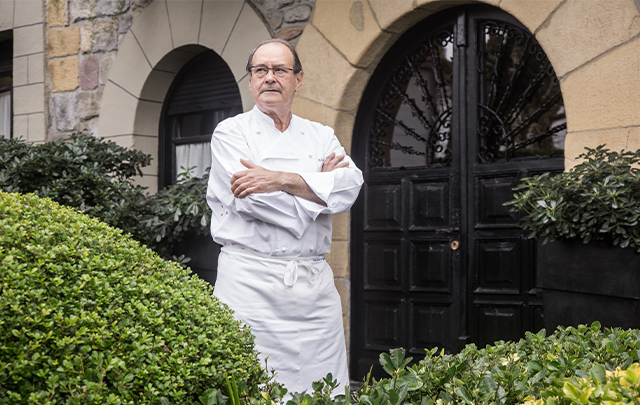
Hilario Arbelaitz to Receive the 2026 Terrae Award
News
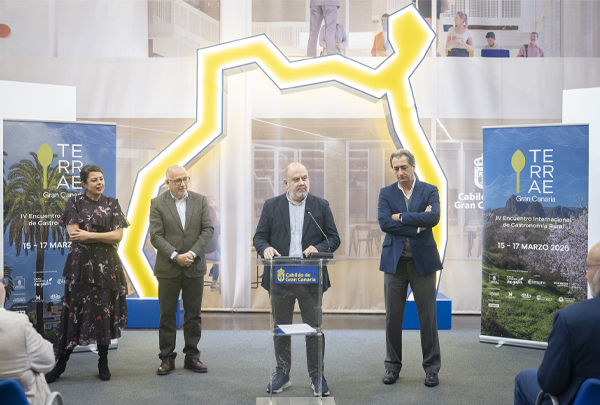
More than 50 rural chefs will gather in Gran Canaria from March 15 to 17 for the fourth edition of Terrae
News
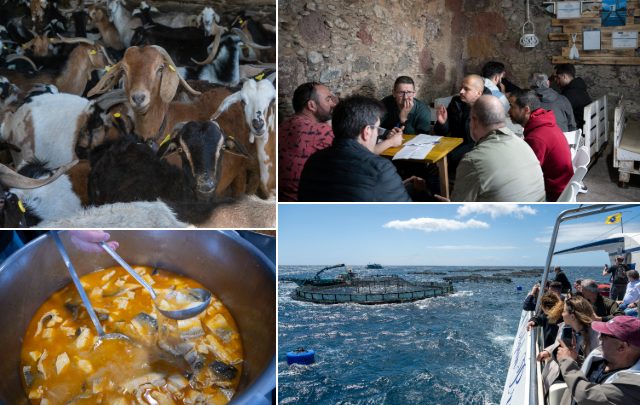
Agüimes Declaration: a commitment to the future of rural cuisine
The more than 50 rural chefs participating in Terrae 2025 have drawn up a document in which they declare rural cuisine to be a cultural heritage and commit themselves to preserving and promoting it.
News
"The soul of cooking is in the villages"
Ignacio Echapresto calls for 'the luxury of immediacy', while Leonor Espinosa calls for a commitment to the rural environment.
News
The challenge is to create a differentiated product
News